
"coffee chemicals"
9000 article(s) found

What is the effect of coffee treatment on the chemical composition and flavor of coffee beans?
Professional coffee knowledge exchange more coffee bean information please follow the coffee workshop (Wechat official account cafe_style) Why sun-dried beans taste different from water-washed beans? What makes the sweetness of honey handling coffee more obvious? The method of raw bean treatment has a great influence on the flavor, aroma and alcohol thickness of coffee, and it is also an important difference for many people to choose coffee beans. This article lets us

Which brand of organic coffee is good? the reason for choosing organic coffee beans? is organic coffee beans expensive?
Professional coffee knowledge exchange more coffee bean information Please follow the coffee workshop (Wechat official account cafe_style) about organic coffee beans in many parts of the world, growers use pesticides to control the growth of coffee pests, and moist and foggy coffee at high altitudes are often more vulnerable to pests, so growers often use insecticide treatments. Many people think that as long as coffee is not used during the growth period,
What physical changes occur when coffee is roasted? What are the changes in the sodium metanide reaction and caramelization?
Roasting converts coffee beans from green to ripe, rich in aroma and flavor, but do you know what happens during roasting? When we roast beans, it is mainly divided into physical and chemical changes. This article is the first of two series. Let's first take a look at what happens to coffee beans during roasting. The importance of physical structure The layered structure of coffee beans for roasting out what we want

Common sense of roasting of coffee beans Chemical reaction of coffee in roasting
Coffee has a rich, wide range of flavors. Coffee produced in different regions, different elevations, different climates and different producing areas has its own unique characteristics. Raw beans are fragrant and have no usual coffee taste at all; the taste of coffee comes from proper roasting. Show fruity (light roasting) or caramel sweetness (deep roasting). The lighter the baking, the more sour it tastes. Baking.

The chemical composition of coffee what are the ingredients in coffee beans?
Caffeine: caffeine is the most eye-catching of all the ingredients in coffee. It belongs to a kind of phytoxanthin (animal muscle component). It has the same properties as theobromine contained in cocoa, green tea contains the same theophylline, and the percentage of reduction after baking is very small. Caffeine has a very wide range of effects. will affect the human brain, heart, blood vessels, gastrointestinal, muscle and kidney and other parts, the right amount of coffee

The basic chemical reaction of coffee knowledge during coffee roasting.
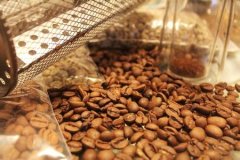
Many thermal and chemical reactions take place during baking: decarbonation, dehydration of quinic acid, subdivision, isomerization, polymerization, and complex sugar reactions (caramelization). The main components of the thermal reaction are monosaccharides and sucrose, chlorogenic acid, free amino acids, and fenugreek amide. Both aravinose and calactose in the polysaccharides are transferred, and the basic vulcanization process includes hydroxylamine.
The basic chemical reaction that takes place during coffee roasting.
Basic chemical reactions that occur during coffee roasting author: Carl Staub originates from the SCAA baking color classification system, developed by Agtron SCAA 1995 original text from: http://www.sweetmarias.com/roast.carlstaub.html translation: Grant, http://www.baristacn.com/forum/thread-1583-1-1.html in the roasting process

California coffee may need to be labeled "carcinogenic" after protracted litigation
Professional barista exchanges, please pay attention to coffee workshop (Weixin Official Accounts cafe_style) In California in the future, maybe when you take a sip of coffee, you will feel nervous. According to NBC News, a nonprofit group wants coffee manufacturers, distributors and retailers to label every coffee with a warning that brewed coffee contains carcinogenic chemicals.

Coffee will produce chemical reactions during roasting. The sour taste and source of coffee.
Coffee beans produce numerous chemical reactions during roasting, which not only change the color of coffee beans, but also create hundreds of flavor and aromatic compounds that no longer exist before. The roasting of coffee beans makes the beans crisp so as to facilitate grinding and enhance the internal permeability of coffee beans. Through the fusion with water, it is more conducive to the extraction of soluble flavor factors in coffee beans.

What are the types and characteristics of organic coffee?
Professional coffee knowledge exchange more coffee bean information please pay attention to the coffee workshop (Wechat official account cafe_style) Organic coffee in the cultivation does not use any insecticides and other chemicals to treat pests or cultivation problems, but the use of natural methods, such as the use of natural composting, hedgerow, pruning and other methods to maintain the growth of coffee trees, in terms of pest control

What does coffee smell like? Why does coffee smell good? Chemical reactions during roasting
Professional coffee knowledge exchange More coffee bean information Please pay attention to coffee workshop (Weixin Official Accounts cafe_style) Qianjie-coffee flavor source introduction Aroma is a very important quality attribute in fine coffee. Changes in aroma components include the loss of some volatiles, but also the formation of others. Although the most appropriate and direct way to measure freshness is inspection
Key points of coffee roasting techniques: basic chemical reactions that take place during coffee roasting
Basic chemical reactions that occur during coffee roasting author: Carl Staub originates from the SCAA baking color classification system, developed by Agtron SCAA 1995 original text from: http://www.sweetmarias.com/roast.carlstaub.html translation: Grant, http://www.baristacn.com/forum/thread-1583-1-1.html in the roasting process
Basic chemical reactions that occur during coffee roasting
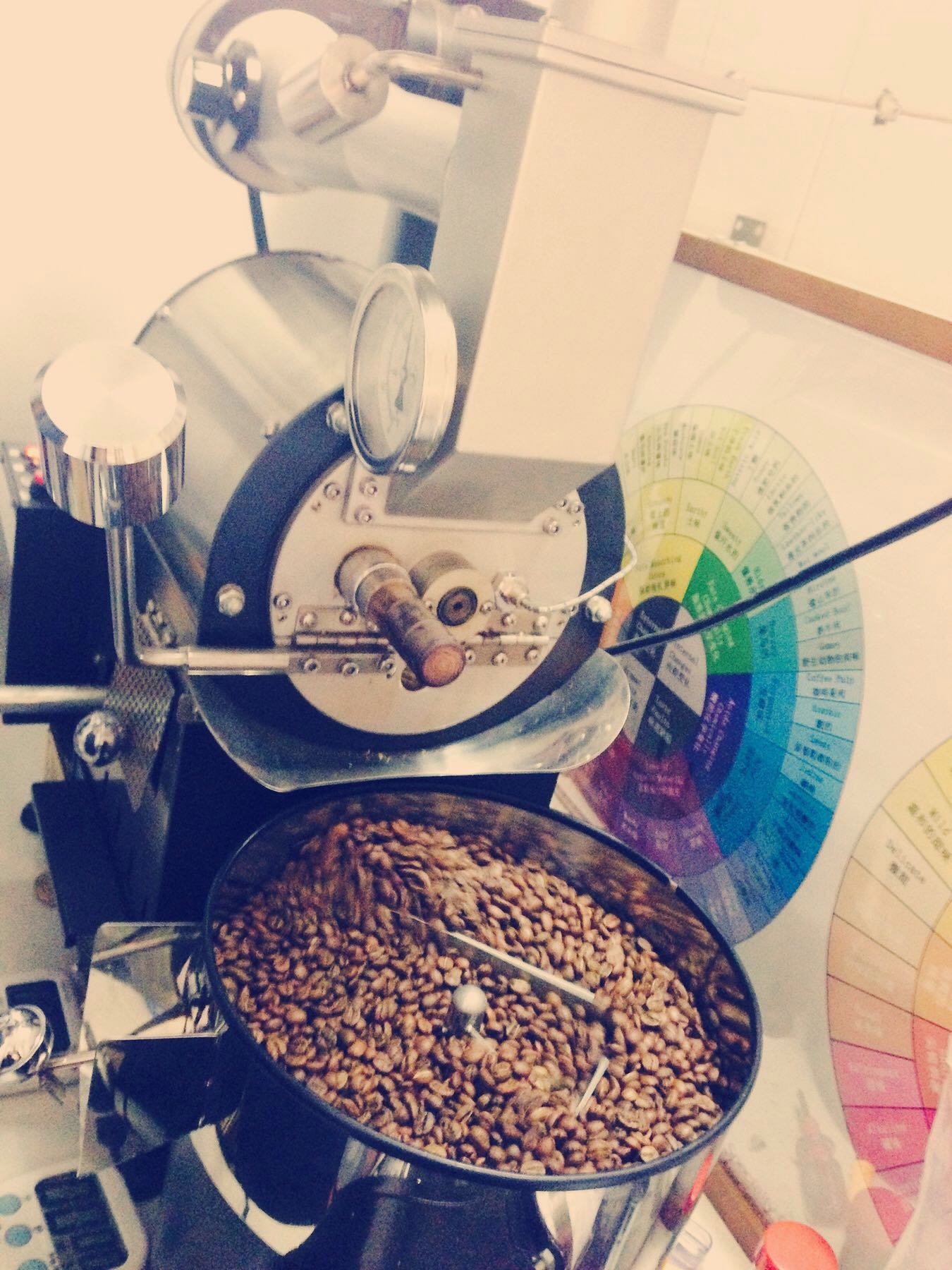
Many thermal and chemical reactions take place during baking: decarbonation, dehydration of quinic acid, fragmentation, isomerization, polymerization, and complex sugar reactions (caramelization). The main thermally reactive components are monosaccharides and sucrose, chlorogenic acid, displaced amino acids, and trigonelline amide. Both aravinone and calactose in polysaccharides are transferred, and basic sulfurization contains hydroxyamino acids.

Coffee roasting | what is roasting? What are the chemical reactions in baking?
Professional coffee knowledge exchange more coffee bean information Please follow the coffee workshop (Wechat official account cafe_style) Coffee sharing coffee roasting the so-called coffee bean roasting (coffee roasting) refers to the heating of raw beans to promote a series of physical and chemical reactions inside and outside of coffee beans. When coffee beans are roasted, the volume of coffee beans will expand, which is larger than that of raw beans.
Coffee training topic Organic Coffee beans
Only a small part of the world's coffee is truly organic certified coffee, because the certification process takes a long time, about three years. And such a deal would reduce coffee production by as much as 50%. So when coffee growers decide to do organic certification, it means that a time-consuming and costly investment begins. Many people think that when coffee is growing, only

Coffee causes cancer? The coffee shop needs to have the warning label ready.
Professional barista Communication Please follow the Coffee Workshop (Wechat official account cafe_style) in the future California, you may feel a little nervous when you take a sip of coffee. According to NBC News, a non-profit group wants coffee manufacturers, distributors and retailers to mark each type of coffee with warnings that brewed coffee contains cancer-causing chemicals.
The basic chemical reaction that occurs during coffee roasting. The ingredients produced by the degree of coffee roasting.
Basic chemical reactions that occur during coffee roasting author: Carl Staub originates from the SCAA baking color classification system, developed by Agtron SCAA 1995 original text from: http://www.sweetmarias.com/roast.carlstaub.html translation: Grant, http://www.baristacn.com/forum/thread-1583-1-1.html in the roasting process
The basic chemical reaction of coffee roasting process
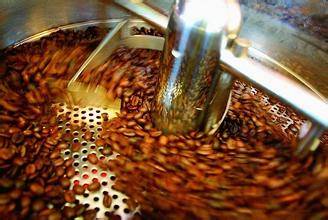
Many thermal and chemical reactions take place during baking: decarbonation, dehydration of quinic acid, subdivision, isomerization, polymerization, and complex sugar reactions (caramelization). The main components of the thermal reaction are monosaccharides and sucrose, chlorogenic acid, free amino acids, and fenugreek amide. Both aravinose and calactose in the polysaccharides are transferred, and the basic vulcanization contains hydroxylated amino acid.
The basic chemical reaction that takes place during coffee roasting.
Many thermal and chemical reactions take place during baking: decarbonation, dehydration of quinic acid, subdivision, isomerization, polymerization, and complex sugar reactions (caramelization). The main components of the thermal reaction are monosaccharides and sucrose, chlorogenic acid, free amino acids, and fenugreek amide. Both aravinose and calactose in the polysaccharides are transferred, and the basic vulcanization process includes hydroxylamine.

The basic chemical reactions that take place during coffee roasting
Many thermal and chemical reactions take place during baking: decarbonation, dehydration of quinic acid, subdivision, isomerization, polymerization, and complex sugar reactions (caramelization). The main components of the thermal reaction are monosaccharides and sucrose, chlorogenic acid, free amino acids, and fenugreek amide. Both aravinose and calactose in the polysaccharides are transferred, and the basic vulcanization process includes hydroxylamine.